
Doc Talk: From the Operating Room to the Ring – The Art of Chess Boxing
Winter 2025 • Talking Shape Newsletter
We hope all of you enjoyed a relaxing holiday season. The start of 2025 brought plenty of changes and surprises. One evening at the end of last year, I settled in to watch 60 Minutes and came across a story about a sport I had never heard of before.
If you already know it, you are one step ahead of me, but I am guessing most of you have not. Fun fact: The United States even has a team, and their coach has won a championship. Go USA! What caught my attention was how much this unusual sport relates to everyday life and also to surgery and recovery.
So, what exactly is this sport? Chess boxing.
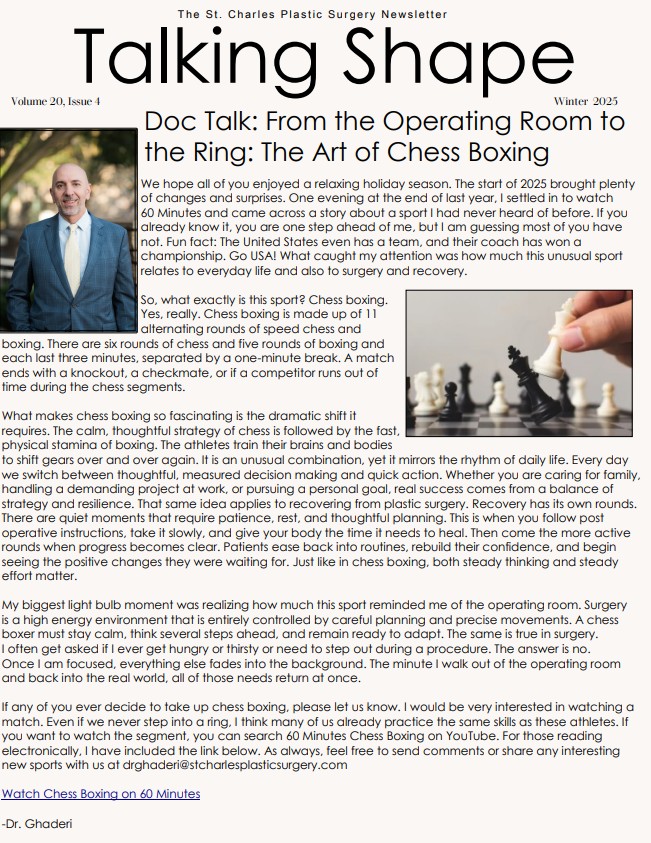
Yes, really. Chess boxing is made up of 11 alternating rounds of speed chess and boxing. There are six rounds of chess and five rounds of boxing and each last three minutes, separated by a one-minute break. A match ends with a knockout, a checkmate, or if a competitor runs out of time during the chess segments.

What makes chess boxing so fascinating is the dramatic shift it requires. The calm, thoughtful strategy of chess is followed by the fast, physical stamina of boxing. The athletes train their brains and bodies to shift gears over and over again. It is an unusual combination, yet it mirrors the rhythm of daily life. Every day we switch between thoughtful, measured decision making and quick action. Whether you are caring for family, handling a demanding project at work, or pursuing a personal goal, real success comes from a balance of strategy and resilience.
That same idea applies to recovering from plastic surgery. Recovery has its own rounds. There are quiet moments that require patience, rest, and thoughtful planning. This is when you follow post operative instructions, take it slowly, and give your body the time it needs to heal. Then come the more active rounds when progress becomes clear. Patients ease back into routines, rebuild their confidence, and begin seeing the positive changes they were waiting for. Just like in chess boxing, both steady thinking and steady effort matter.
My biggest light bulb moment was realizing how much this sport reminded me of the operating room. Surgery is a high energy environment that is entirely controlled by careful planning and precise movements. A chess boxer must stay calm, think several steps ahead, and remain ready to adapt. The same is true in surgery. I often get asked if I ever get hungry or thirsty or need to step out during a procedure. The answer is no. Once I am focused, everything else fades into the background. The minute I walk out of the operating room and back into the real world, all of those needs return at once.
If any of you ever decide to take up chess boxing, please let us know. I would be very interested in watching a match. Even if we never step into a ring, I think many of us already practice the same skills as these athletes. If you want to watch the segment, you can search 60 Minutes Chess Boxing on YouTube. For those reading electronically, I have included the link below. As always, feel free to send comments or share any interesting new sports with us at dr*******@*********************ry.com
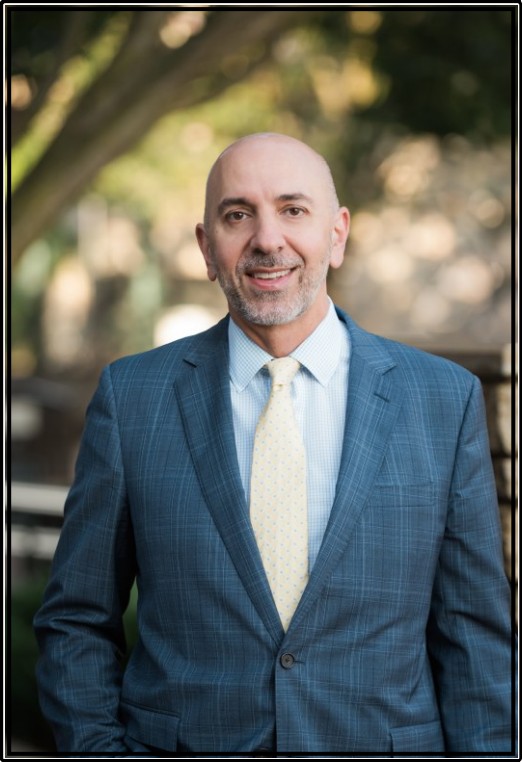
– Dr. Ghaderi
Watch Chess Boxing on 60 Minutes
Scar vs. Shape: Finding the Right Balance for You
Many patients considering plastic surgery ask the same important question: how do we balance achieving the shape you want with the scars that come with any procedure? When you look at your results, two things matter most. The new contour and the appearance of the scar. Both are part of the process, and both deserve thoughtful planning.
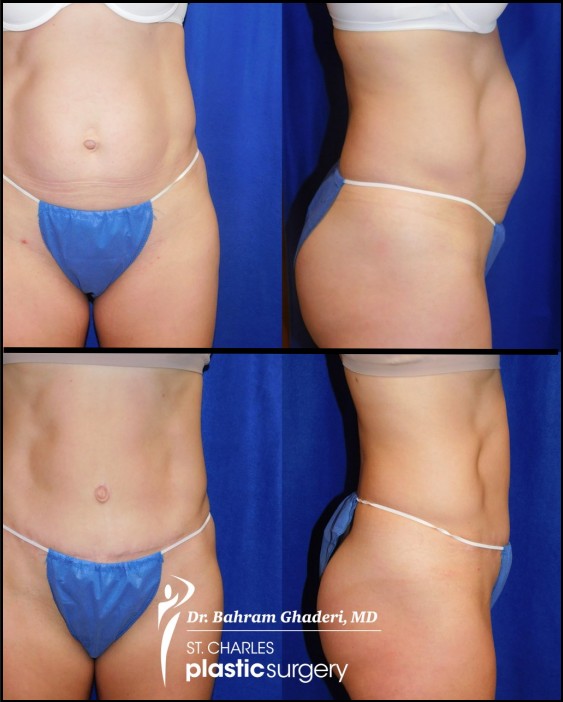
If you have been researching procedures and feel unsure about how to weigh these factors, I welcome you to come in and discuss them. After more than twenty years of working with patients, I have learned that this foundational question is at the heart of every successful surgical plan.
Q&A
What helpful tips should I keep in mind for managing my scar after surgery?
It is important to protect new scars from the sun for at least the first year. UV rays can cause the scar to permanently darken (hyperpigmentation) or change color, making more noticeable. Always apply a broad-spectrum SPF 30 or higher sunscreen to the area or cover it with protective clothing.
How does the surgeon minimize the scar during the procedure?
Surgeons take several steps during the procedure to help ensure your scar heals as discreetly as possible. One step involves strategic placement in which incisions are carefully positioned within natural body creases, such as beneath the breast fold or along the bikini line, so they blend more seamlessly with your body’s contours. You can also explore more answers on our FAQ page.
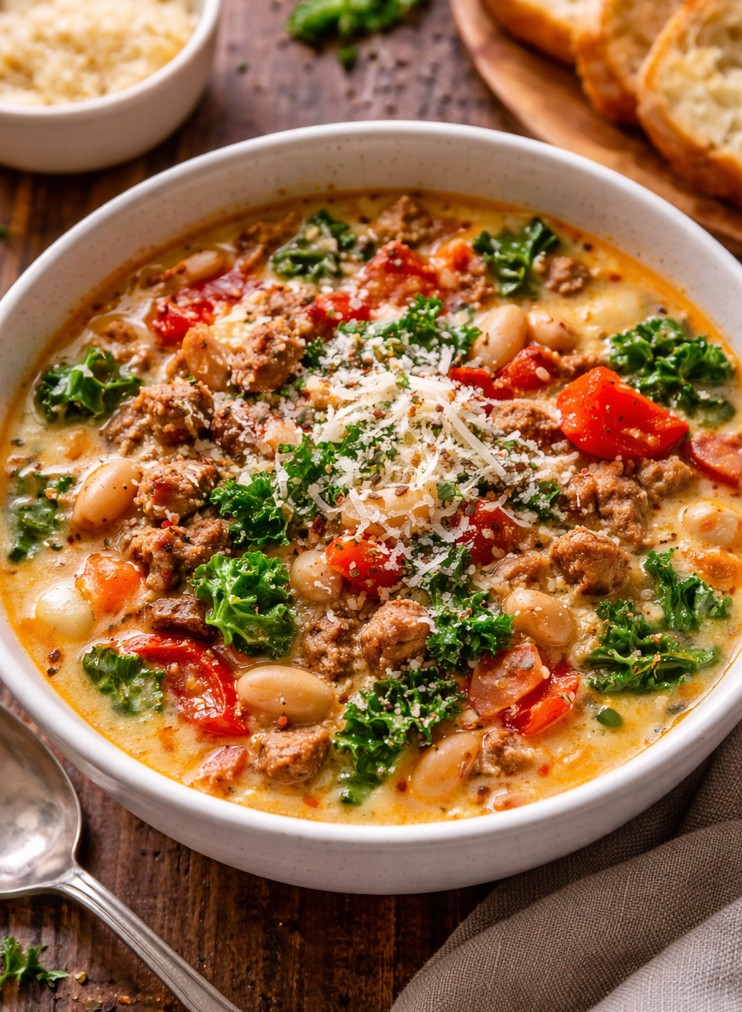
Fireside Winter Soup
Ingredients:
- olive oil—1 Tbsp
- sweet Italian sausage— 2 lbs
- jarred sliced roasted red peppers—1 cup
- fresh oregano, chopped—2 Tbsp
- fresh rosemary, chopped—1 Tbsp
- garlic cloves, minced—4
- large yellow onion, sliced—1
- kosher salt—1 tsp
- black pepper—1/2 tsp
- low-sodium chicken broth—8 cups
- diced tomatoes, with their liquid –1 can (28 oz)
- cannellini beans, rinsed and drained –2 cans (15.5 oz)
- chopped kale—2 cups
- heavy cream—1 cup
Directions:
- Heat the oil over medium high heat in a large 8 quart Dutch oven. Add the sausage and cook, breaking it into bite-sized pieces, until browned and fully cooked, about 8 to 10 minutes.
- Using a slotted spoon, transfer the sausage to a paper towel-lined plate to drain excess oil. To the drippings in the pot, add the roasted red peppers, oregano, rosemary, garlic, and onion. Season with salt and pepper. Cook, stirring occasionally, until the onions are softened, about 5 minutes.
- Pour in the chicken broth, then add the beans and tomatoes. Return the sausage to the pot and bring the mixture to a boil. Reduce the heat to low and let simmer, uncovered, for 20 minutes.
- Stir in the heavy cream, kale, and apple cider vinegar. Taste and adjust seasoning as needed. Serve hot, topped with shaved Parmesan cheese if desired.
Winter Festivities
- Polar-Palooza — January 17 (St. Charles)
- Geneva Restaurant Week — January 17–25
- St. Charles Restaurant Week — February 2–6
- Elgin Symphony Orchestra — February 7–8
Learn more about our practice or explore additional resources on our blog.
St. Charles Plastic Surgery
2900 Foxfield Road, Suite 201
St. Charles IL 60174
(630) 762-9697
stcharlesplasticsurgery.com